

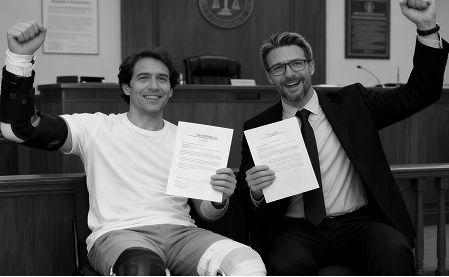

What you should ask for in a personal injury settlement or award depends on the specifics of your injuries and your case; however, you should know that all costs related to your injury may be compensable.
New York City personal injury law firms can help you identify and fight for all your damages.
Medical Bills
Severe or catastrophic injuries can leave you with overwhelming financial burdens. Beyond the immediate cost of emergency medical treatment, you may face ongoing expenses that add up quickly. These can include hospital stays, surgeries, prescription medications, diagnostic testing, and follow-up care.
In many cases, injuries require long-term rehabilitation such as physical therapy, occupational therapy, or counseling to address the emotional impact of trauma. Assistive devices, such as wheelchairs, prosthetics, or home modifications, may also become necessary, further increasing expenses. Even with health insurance, deductibles, co-pays, and uncovered treatments can create significant out-of-pocket costs.
The financial pressure from mounting medical bills can be devastating, especially if the injury limits your ability to return to work. That’s why recovering compensation for medical expenses is a critical part of many personal injury claims. It ensures you have access to the care you need without sacrificing your financial stability.
Lost Wages
It can take weeks or even months to recover from a serious injury, and during that time, you may be unable to return to work. For many people, this means losing a steady source of income right when medical bills and other expenses are piling up. Even if you are eventually able to go back, you might need to work reduced hours, accept light-duty assignments, or take an extended leave, all of which can lower your earnings.
In addition to current wages, an injury may also affect your future earning capacity. If you are unable to perform the same type of work you did before, whether because of physical limitations, chronic pain, or ongoing medical needs, you could lose opportunities for promotions, overtime, or even the ability to remain in your chosen career. These long-term financial impacts can be just as significant as the immediate loss of income.
Compensation for lost wages is meant to help bridge this gap, covering both the income you have already missed and the earnings you may lose in the future. This includes salary, hourly pay, bonuses, commissions, and other employment benefits. By recovering these damages, you can protect your financial stability while you focus on healing.
Property Damage
Accidents don’t just cause physical injuries; they can also leave you with significant damage to your property. Whether your vehicle was totaled in a collision, your personal belongings were destroyed in the accident, or your home or other property was affected, the costs of repair or replacement can be overwhelming.
In many cases, vehicles are the most expensive property losses. Beyond repair bills, you may face towing charges, rental car fees, or the reduced value of your vehicle even after it’s fixed. Other damaged items, such as electronics, clothing, medical equipment, or valuable personal possessions, can also create unexpected financial burdens.
Compensation for property damage is designed to restore you to the financial position you were in before the accident. This can include covering repair costs, replacement value, or diminished value of your property. By pursuing these damages, you can avoid paying out-of-pocket for losses caused by someone else’s negligence.
Miscellaneous Damages
Beyond medical bills, lost wages, and property damage, injuries often create a wide range of unexpected costs. These out-of-pocket expenses can add up quickly and place additional strain on your finances.
Examples include:
- Transportation to and from medical appointments
- Parking fees at hospitals or clinics
- The cost of hiring help for household tasks you can no longer manage on your own
- Childcare assistance
- In-home nursing
- Modifications to your home, such as installing ramps, grab bars, or stair lifts
Though these expenses may seem small individually, they can add up to thousands of dollars over time. Compensation for miscellaneous expenses ensures that all of the hidden financial burdens of an injury are taken into account, helping you avoid long-term financial hardship while you recover.
Pain and Suffering
Not all losses from an injury are financial. Serious accidents can leave you dealing with ongoing pain, emotional distress, and a reduced quality of life. These hardships may not come with a bill or receipt, but they are very real and deserve recognition.
Pain and suffering damages are intended to compensate for the physical discomfort and emotional toll caused by an injury. This can include chronic pain, limited mobility, sleep disturbances, anxiety, depression, or post-traumatic stress. Beyond the medical aspects, injuries often affect daily life, preventing you from enjoying hobbies, spending time with family, or simply living without constant discomfort.
Every case is different, and the amount awarded for pain and suffering depends on factors such as the severity of the injury, the length of recovery, and the long-term impact on your life. By pursuing these damages, you can seek accountability not only for the financial costs of your injury but also for the personal hardships that cannot be measured in dollars alone.
Emotional Anguish
A serious injury can affect far more than just your body; it can also take a heavy emotional toll. Many people struggle with feelings of fear, anxiety, depression, or helplessness after an accident or injury. You may find yourself reliving the traumatic event, experiencing nightmares, or dealing with overwhelming stress that makes everyday life more difficult.
Emotional anguish damages are intended to compensate for the psychological impact of an injury. These claims recognize that recovery is not only physical but also mental and emotional. The effects can manifest in many ways: strained relationships, difficulty concentrating, social withdrawal, or a loss of enjoyment in activities you once loved. In some cases, professional counseling, therapy, or medication may be necessary to manage these challenges.
Acknowledging emotional anguish ensures that the full scope of your suffering is considered in a personal injury case. By pursuing compensation, you can seek support for both the visible and invisible consequences of an accident, helping you work toward a more complete recovery.
Loss of Enjoyment of Life
An injury doesn’t just affect your health and finances; it can also take away the activities and experiences that make life meaningful. Many accident victims find themselves unable to participate in hobbies, sports, family traditions, or simple daily routines they once enjoyed. Whether it’s playing with your children, gardening, traveling, or pursuing a beloved pastime, the inability to engage in these activities can be deeply discouraging.
Compensation for loss of enjoyment of life is meant to acknowledge these intangible but very real harms. It recognizes that quality of life is diminished when pain, physical limitations, or emotional distress prevent you from living fully. Unlike medical bills or lost wages, this type of damage doesn’t come with a clear dollar figure; instead, it reflects the personal impact the injury has on your overall well-being and happiness.
By pursuing these damages, you are seeking recognition of the profound ways your life has changed. This ensures that your recovery addresses not only your financial needs but also the loss of fulfillment and joy that injuries can cause.
How Do I Get a Personal Injury Settlement?
To recover compensation for an injury, you typically need to prove that the other party’s carelessness caused your accident and injury. To prove negligence, we must establish the following:
The Other Party Owed You a Duty to Protect You from Harm
Their specific duty differs depending on their relationship to you. For example:
- Truck drivers/trucking companies and vehicle drivers owe all other road users a duty to drive safely.
- Doctors owe patients a duty to uphold their industry’s standard of care.
The Other Party Breached That Duty
The other party breached their duty, typically through an act of carelessness or recklessness. Depending on the situation, this could include:
- Driving while intoxicated or distracted
- A surgical never event, such as operating on the wrong body part
- Improper use of tools or equipment on a construction site
Their Breach Caused Your Injury
Their negligence directly contributed to your accident and injury. For example:
- A fatigued truck driver runs a red light and crashes into your car. You suffered a traumatic brain injury.
- A doctor fails to check your chart and performs the wrong surgery on you.
- Workers on your construction site improperly construct scaffolding. You fall off and suffer a spinal cord injury.
You Sustained Damages
Your injury left you with medical bills, lost wages, lost earning capacity, and/or pain and suffering.
We Can Help You Get the Settlement You Deserve
Recovering from an injury is difficult enough without worrying about medical bills, lost income, and the stress of dealing with insurance companies. You deserve compensation for the full impact this accident has had on your life.
Our team is here to fight for your rights, build a strong case, and pursue the settlement you need to move forward. Our lawyers have over 100 years of experience fighting for injured people—and more than $1 billion to show for it.
Call Aviles Law Firm PLLC today for a free consultation and let us help you focus on healing while we handle the rest.